If you’ve had even passing contact with the hiring process lately, you’ve seen the robots creeping in. Not Terminator-style, but in the guise of quiet algorithms silently culling through résumés, automating interviews and dispatching those oh-so- impersonal rejection emails. It’s confirmed — AI is taking over in Human Resources. But what’s the million dollar question: can AI really replace HR?
It’s not just a hypothetical anymore. AI in HR isn’t science fiction—it’s happening. But before we declare HR professionals obsolete and start welcoming our new AI overlords, let’s slow the hype and unpack what AI is doing, what it can do, and what it definitely shouldn’t be trusted with when it comes to the complex, messy, very human world of managing people.
The Evolution of HR: From Paper Trails to Predictive Algorithms
Traditionally, HR has been a human-driven world. We’re talking paper resumes, handshake interviews, and instinct-driven hiring. But that era is phasing out. The past 10 years have seen the role of HR accelerate towards data-led, metric and tech solutions – and the eventual rise of Artificial Intelligence.
Employers today are flooded with new HR tech options, from recruitment tools that use machine learning to scan candidates to chatbots that serve as a pseudo-HR department for employee FAQs, and the realm of automation in HR is broadening faster than the share count of a viral LinkedIn post. And it’s not just about making life easier. AI is promising something big: smarter, faster, and “bias-free” decision-making.
Let’s break that down.
Intelligent Hiring: How AI Is Changing Recruitment
Hiring is arguably one of the most critical functions of HR. It’s also one of the most time-consuming. Sifting through hundreds of applications for a single position? Exhausting. That’s where AI steps in.
Resume Screening
AI systems like HireVue, Pymetrics, and LinkedIn Talent Insights analyze resumes in seconds. They match keywords, experience, qualifications, and even patterns in career history. That saves time—but it also introduces some complexity. These systems can be efficient, but they can also be… well, a little too picky or even inadvertently biased depending on how they’re trained.
Video Interview Analysis
Some platforms use facial recognition, voice tone analysis, and even microexpression tracking to “assess” candidates. It sounds cool in theory, but it’s raised serious ethical concerns. Can a smile or a slightly nervous tone really determine if someone is a good team player? That’s debatable, and kind of terrifying.
Predictive Analytics
AI can analyze past hiring successes and failures to make future hiring recommendations. It’s like giving HR a crystal ball—except the future it’s predicting is based on data. And sometimes, that data includes the very biases HR was trying to escape in the first place.
Employee Management: Beyond Hiring
Hiring is just the beginning. Once an employee is on board, AI keeps working behind the scenes.
Performance Tracking
AI tools can now monitor productivity metrics, analyze communication patterns, and even assess collaboration via project management software. If you’re on Slack or Teams, AI probably knows how often you respond, how “positive” your messages are, and how you’re managing your workload. Creepy? Maybe. Useful? Potentially.
Employee Engagement
Some AI systems send personalized check-ins, monitor employee sentiment through surveys or even internal chat analysis, and recommend actions to boost morale. The goal? Catch burnout before it happens. But it raises the question—should a machine be in charge of emotional well-being?
Learning and Development
AI-driven platforms personalize training paths, recommend courses, and assess skill gaps. It’s efficient and tailored—like having a career coach in your laptop.
So… Can AI Actually Replace HR?
Here’s the twist: while AI is powerful, it doesn’t get people. Not really. It can analyze behavior, predict outcomes, and streamline processes. But empathy, conflict resolution, negotiation, and nuanced leadership? That’s still human territory.
HR isn’t just hiring and spreadsheets—it’s culture, trust, emotional intelligence, and gut instinct. AI doesn’t attend baby showers. It doesn’t de-escalate office drama. It doesn’t know how to help someone navigate grief, burnout, or an identity crisis at work.
Also, let’s talk bias. AI doesn’t remove bias—it reflects it. If it’s trained on biased data, it learns those patterns. In fact, several companies, including Amazon, have had to pull back AI hiring tools because they showed clear gender and racial bias. The very systems designed to make hiring “neutral” were learning from biased histories.
The Future: Collaboration, Not Replacement
So no, AI isn’t replacing HR. Not now, not soon. But it is reshaping it.
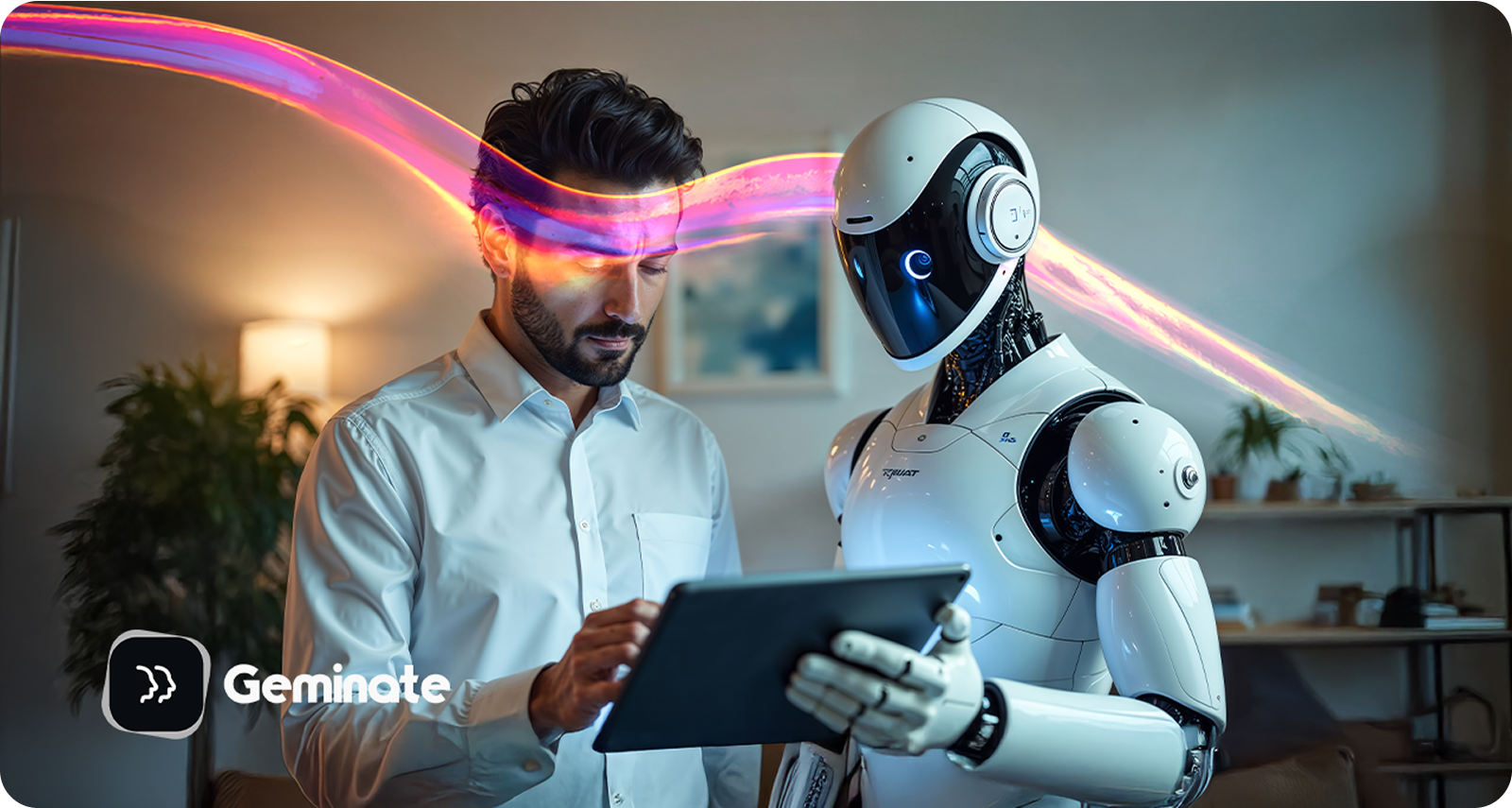
We’re moving toward a hybrid future where AI handles the repetitive, data-heavy stuff, and humans focus on, well, being human. Think of AI as the extremely efficient assistant—never gets tired, always running numbers, and never complains about meetings. But you still need the actual HR professionals to steer the ship, set the tone, and make the final calls.
The future HR department will be a blend of data scientists, behavioral psychologists, and traditional HR pros who can read both dashboards and the room. The most successful companies will be those that use AI smartly—not blindly. It’s not about replacing the people in HR; it’s about upgrading the tools they use.
Bottom Line
AI is revolutionizing HR, no doubt. It’s automating, optimizing, and personalizing everything from recruitment to retention. But replace HR altogether? Not a chance. Because when it comes down to it, managing people still takes people.
So yes, let the bots screen resumes and schedule interviews. Let them recommend training modules and analyze engagement data. But when it comes to the big stuff—building culture, handling crises, and making people feel seen—HR will always need a human touch.
The rise of intelligent hiring is here. But the heart of HR? That’s still beating strong—and human.